Prostatitis Treatment Abroad for Ghanaian Patients: Exploring Options for Diagnosis and Care
Discover world-class prostatitis treatment abroad for Ghanaian patients, from diagnosis to personalized care options.
Last Updated On 29 April 20268m

Dr Sukalpa Rathore


Medical content writer with dental expertise (BDS, MSc in F. Odont.), focused on cross-border healthcare.
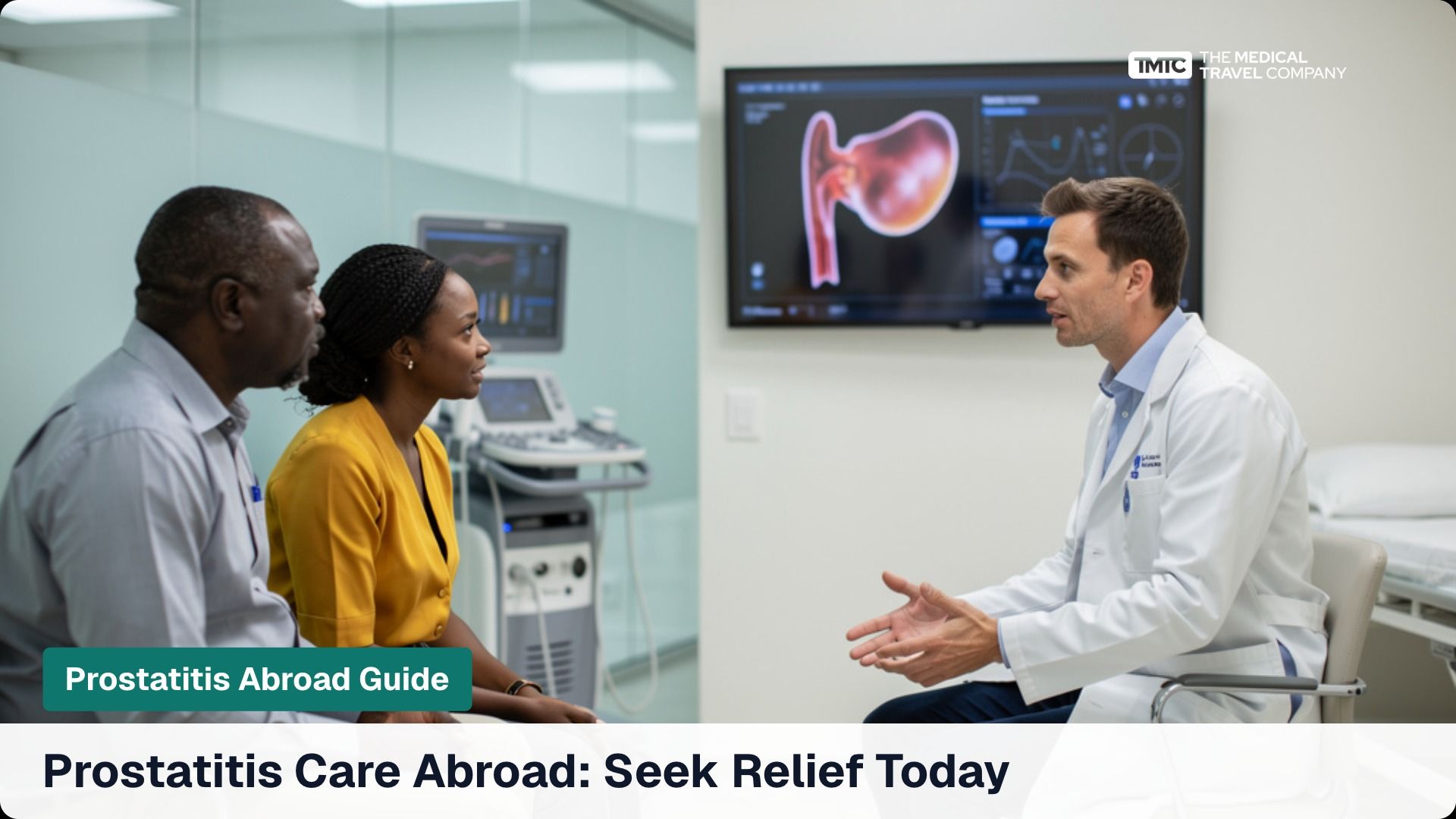
Dealing with persistent pelvic pain, difficulty urinating, or frequent trips to the bathroom? You might be facing prostatitis, a condition that affects millions of men worldwide. For Ghanaian patients, seeking prostatitis treatment abroad has become an increasingly attractive option, offering access to world-class care and specialised treatments that may not be readily available locally.
Understanding Prostatitis and Its Types
Prostatitis is inflammation of the prostate gland, a walnut-sized organ that sits below the bladder and surrounds the urethra in men. Unlike prostate cancer or benign prostatic hyperplasia, prostatitis can affect men of all ages, though it's most common in men under 50.
There are four main types of prostatitis, each requiring different treatment approaches. Acute bacterial prostatitis is the most severe form, causing sudden symptoms like fever, chills, and severe pelvic pain. Chronic bacterial prostatitis involves recurring infections that can last for months. The most common type is chronic pelvic pain syndrome, accounting for about 90% of prostatitis cases, which causes persistent pain without clear bacterial infection. Lastly, asymptomatic inflammatory prostatitis shows inflammation but no symptoms.
According to the
NHS
, symptoms of prostatitis typically include pain when urinating, frequent urination especially at night, difficulty starting or stopping urination, and pain in the pelvic area, lower back, or genitals. These symptoms can significantly impact quality of life, making effective treatment crucial for returning to normal activities.Why Ghanaian Patients Choose Treatment Abroad
Many Ghanaian men are discovering that seeking prostatitis treatment abroad offers several compelling advantages over local options. The primary benefit is access to specialist urologists who focus exclusively on prostate conditions and have extensive experience with complex cases.
International treatment centres often provide comprehensive diagnostic facilities under one roof, including advanced imaging technologies and specialised laboratory tests that can pinpoint the exact cause of prostate inflammation. This thorough approach leads to more accurate diagnoses and personalised treatment plans.
| Treatment Aspect | Local Options | International Treatment |
|---|---|---|
| Specialist Access | Limited availability | World-class urologists |
| Diagnostic Technology | Basic facilities | Advanced imaging & labs |
| Treatment Options | Standard protocols | Latest therapies & alternatives |
| Wait Times | Extended delays | Prompt scheduling |
| Cost Comparison | Variable pricing | Transparent, often lower |
| Follow-up Care | Limited support | Comprehensive aftercare |
Cost-effectiveness is another major factor. Many patients find that even including travel expenses, seeking treatment abroad can be more affordable than private healthcare in Ghana, while offering significantly better facilities and expertise than public options. For those considering affordable healthcare abroad, the savings can be substantial.
Comprehensive Diagnosis: The Foundation of Effective Treatment
Proper diagnosis forms the cornerstone of successful prostatitis treatment. International treatment centres typically begin with a comprehensive evaluation that goes beyond basic tests commonly available locally.
The diagnostic process usually starts with a detailed medical history and physical examination, including a digital rectal exam to assess prostate size and tenderness. Urine tests help identify bacterial infections, while blood tests check for prostate-specific antigen (PSA) levels and signs of infection.
More advanced diagnostic tools available abroad include transrectal ultrasound to visualise the prostate structure, urodynamic studies to assess bladder and urethral function, and specialised bacterial cultures to identify specific pathogens causing chronic infections. Some centres also offer MRI imaging for complex cases.
Preparing for Your Prostatitis Consultation
- Keep a symptom diary for 2-3 weeks before your appointment
- List all current medications and supplements you're taking
- Prepare a detailed medical history including previous treatments
- Write down specific questions about your condition and treatment options
- Bring copies of any previous test results or medical records
- Note any family history of prostate problems
Don't hesitate to ask your specialist about their experience with chronic prostatitis care, expected timeline for improvement, and potential side effects of recommended treatments. Clear communication ensures you receive the most appropriate care for your specific situation.
Modern Treatment Approaches for Different Types of Prostatitis
Treatment strategies vary significantly depending on the type and severity of prostatitis you're experiencing. For bacterial prostatitis, the
CDC treatment guidelines
recommend specific antibiotics for prostatitis treatment, typically lasting 4-6 weeks for chronic cases.Antibiotics remain the primary treatment for bacterial prostatitis. Fluoroquinolones like ciprofloxacin are commonly prescribed because they penetrate prostate tissue effectively. For severe acute cases, intravenous antibiotics may be necessary initially, followed by oral medications.
Chronic pelvic pain syndrome requires a more comprehensive approach since antibiotics often aren't effective. International treatment centres offer multi-modal therapy combining anti-inflammatory medications, alpha-blockers to relax prostate and bladder muscles, and pain management techniques.
Alternative therapies gaining recognition include physiotherapy focusing on pelvic floor muscles, which can significantly reduce pain and improve urinary function. Acupuncture has shown promise in managing chronic pelvic pain, while some patients benefit from prostate massage performed by trained specialists.
Heat therapy, stress management techniques, and dietary modifications also play important roles in comprehensive treatment plans. Many centres now offer integrative approaches that combine conventional medicine with evidence-based complementary therapies for optimal outcomes.
Lifestyle Changes That Support Recovery
Successful prostatitis management extends beyond medical treatment to include lifestyle modifications that can significantly improve symptoms and prevent recurrence. These changes work alongside professional treatment to optimise your recovery.
Dietary adjustments can make a substantial difference. Reducing or eliminating spicy foods, caffeine, alcohol, and acidic foods often decreases irritation and inflammation. Instead, focus on anti-inflammatory foods like fatty fish, leafy greens, tomatoes, and nuts that support prostate health.
Regular exercise improves circulation and reduces inflammation, but avoid activities that put pressure on the perineum like cycling or horseback riding during acute symptoms. Walking, swimming, and gentle stretching are excellent alternatives that promote healing.
Stress management is crucial since chronic stress can worsen symptoms. Techniques like meditation, deep breathing exercises, and adequate sleep help reduce overall inflammation and support your body's healing processes. Many international treatment centres include stress management counselling as part of their comprehensive care approach.
What to Expect During Your Treatment Journey
Your treatment journey typically begins with a thorough consultation where specialists review your medical history, current symptoms, and previous treatments. This initial assessment helps create a personalised treatment plan tailored to your specific type and severity of prostatitis.
Most patients notice improvement within 2-3 weeks of starting treatment, though complete recovery can take several months, especially for chronic cases. Your medical team will schedule regular follow-up appointments to monitor progress and adjust treatments as needed.
International treatment centres excel at providing comprehensive post-treatment care, including detailed discharge instructions, medication guidance, and scheduled virtual follow-ups to ensure your recovery continues smoothly after returning home. This ongoing support is particularly valuable for managing chronic conditions that require long-term care.
Patient Success StoryAfter struggling with chronic prostatitis for over two years in Ghana, I decided to seek treatment abroad. The comprehensive approach and access to advanced diagnostics finally gave me answers and effective treatment. Six months later, I'm pain-free and back to my normal activities. The investment in my health was absolutely worth it.
The key to successful treatment is partnering with experienced specialists who understand the complexities of prostatitis and can offer the latest evidence-based treatments. Whether you're dealing with acute symptoms or chronic pelvic pain, expert guidance makes all the difference in achieving lasting relief.
Taking the Next Step Toward Relief
If you're struggling with prostatitis symptoms and haven't found effective relief locally, exploring treatment options abroad could be the solution you've been seeking. The combination of world-class expertise, comprehensive diagnostic capabilities, and personalised treatment approaches offers genuine hope for overcoming this challenging condition.
Don't let persistent symptoms continue to impact your quality of life. Many Ghanaian patients have found that seeking expert prostate care abroad provides the breakthrough they needed to reclaim their health and comfort.
The process begins with researching reputable international treatment centres and scheduling an initial consultation. Most centres offer virtual preliminary consultations to discuss your case and determine if their services would benefit your specific situation.
Remember that prostatitis is a treatable condition, and with the right medical expertise and comprehensive approach, you can achieve significant improvement in your symptoms and overall quality of life. Take that first step toward getting the specialised care you deserve.
References
- NHS - Prostatitis- Information about prostatitis symptoms, causes, and treatment options
- CDC - Sexually Transmitted Infections Treatment Guidelines, 2021- Clinical guidelines for antibiotic treatment protocols
- CDC - Sexually Transmitted Diseases Treatment Guidelines, 2015- Previous treatment recommendations for bacterial infections
Ready to open the door to better health?